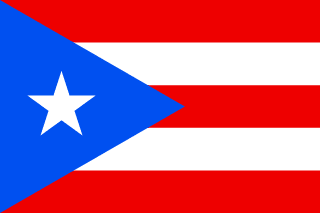
Overview
Populated for centuries by aboriginal peoples, Puerto Rico was claimed by the Spanish Crown in 1493 after Christopher COLUMBUS' second voyage to the Americas. In 1898, after 400 years of colonial rule that saw the indigenous population nearly exterminated and African slave labor introduced, Puerto Rico was ceded to the US as a result of the Spanish-American War. Puerto Ricans were granted US citizenship in 1917. Popularly elected governors have served since 1948. In 1952, a constitution was enacted that provided for internal self-government. In plebiscites held in 1967, 1993, and 1998, voters chose not to alter the existing political status with the US, but the results of a 2012 vote left open the possibility of American statehood. A referendum held in late 2020 showed a narrow preference for statehood.Economic recession on the island has led to a net population loss since about 2005, as large numbers of residents moved to the US mainland. In 2017, Hurricane Maria was the worst storm to hit the island in eight decades, and damage was estimated in the tens of billions of dollars.
Geography
- Location
- Caribbean, island between the Caribbean Sea and the North Atlantic Ocean, east of the Dominican Republic
- Total Area
- 9,104 sq km
- Climate
- tropical marine, mild; little seasonal temperature variation
- Terrain
- mostly mountains with coastal plain in north; precipitous mountains to the sea on west coast; sandy beaches along most coastal areas
- Natural Resources
- some copper and nickel; potential for onshore and offshore oil
- Coastline
- 501 km
- Land Borders
- 0 km
People & Society
- Population
- 2,984,841 (2025 est.)
- Religions
- Roman Catholic 56%, Protestant 33% (largely Pentecostal), other 2%, atheist 1%, none 7% (2014 est.)
- Ethnic Groups
- White 75.8%, Black/African American 12.4%, other 8.5% (includes American Indian, Alaskan Native, Native Hawaiian, other Pacific Islander, and others), mixed 3.3% (2010 est.)
- Life Expectancy
- 82.1 years (2024 est.)
- Literacy Rate
- 92.4% (2017 est.)
- Urbanization
- 93.6% of total population (2023)
Government
- Government Type
- unincorporated organized territory of the US with local self-government; republican form of territorial government with separate executive, legislative, and judicial branches; note - reference Puerto Rican Federal Relations Act, 2 March 1917, as amended by Public Law 600, 3 July 1950
- Capital
- San Juan
- Independence
- none (territory of the US with commonwealth status)
- Constitution
- previous 1900 (Organic Act, or Foraker Act); latest ratified by referendum 3 March 1952, approved 3 July 1952, effective 25 July 1952
- Legal System
- civil law system based on the Spanish civil code, within the framework of the US federal system
- Executive Branch
- President Donald J. TRUMP (since 20 January 2025)
Economy
- Economic Overview
- US Caribbean island territorial economy; hit hard by COVID-19 and hurricanes; declining labor force and job growth after a decade of continuous recession; capital-based industry and tourism; high poverty; energy import-dependent
- GDP (Official Rate)
- $125.842 billion (2024 est.)
- Major Industries
- pharmaceuticals, electronics, apparel, food products, tourism