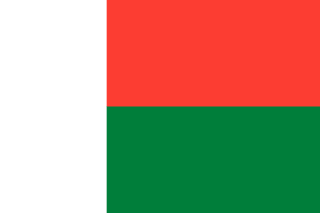
Overview
Madagascar was one of the last major habitable landmasses on earth to be settled by humans. While there is some evidence of human presence on the island in the millennia B.C., large-scale settlement began between A.D. 350 and 550 with settlers from present-day Indonesia. The island attracted Arab and Persian traders as early as the 7th century, and migrants from Africa arrived around A.D. 1000. Madagascar was a pirate stronghold during the late 17th and early 18th centuries and served as a slave trading center into the 19th century. From the 16th to the late 19th century, a native Merina Kingdom dominated much of Madagascar. The French conquered the island in 1896 and made it a colony; independence was regained in 1960. Free presidential and National Assembly elections were held in 1992-93, ending 17 years of single-party rule. In 1997, in the second presidential race, Didier RATSIRAKA, the leader during the 1970s and 1980s, returned to the presidency. The 2001 presidential election was contested between the followers of RATSIRAKA and Marc RAVALOMANANA, nearly causing half the country to secede. In 2002, the High Constitutional Court announced RAVALOMANANA the winner. He won a second term in 2006 but, following protests in 2009, handed over power to the military, which then conferred the presidency on the mayor of Antananarivo, Andry RAJOELINA, in what amounted to a coup d'etat. After a lengthy mediation process, Madagascar held UN-supported presidential and parliamentary elections in 2013. Former de facto finance minister Hery RAJAONARIMAMPIANINA won in a runoff and was inaugurated in 2014. In 2019, RAJOELINA was declared the winner against RAVALOMANANA. In 2023, RAJOELINA won another term in an election that most of the opposition boycotted, including RAJAONARIMAMPIANINA and RAVALOMANANA, who claimed it was rigged in favor of RAJOELINA. International observers, however, saw no evidence of systemic fraud, leading the international community to accept the election results.
Geography
- Location
- Southern Africa, island in the Indian Ocean, east of Mozambique
- Total Area
- 587,041 sq km
- Climate
- tropical along coast, temperate inland, arid in south
- Terrain
- narrow coastal plain, high plateau and mountains in center
- Natural Resources
- graphite, chromite, coal, bauxite, rare earth elements, salt, quartz, tar sands, semiprecious stones, mica, fish, hydropower
- Coastline
- 4,828 km
- Land Borders
- 0 km
People & Society
- Population
- 31,345,040 (2025 est.)
- Languages
- Malagasy (official) 99.9%, French (official) 23.6%, English 8.2%, other 0.6% (2018 est.)
- Religions
- Church of Jesus Christ in Madagascar/Malagasy Lutheran Church/Anglican Church 34%, Roman Catholic 32.3%, other Christian 8.1%, traditional/Animist 1.7%, Muslim 1.4%, other 0.6%, none 21.9% (2021 est.)
- Ethnic Groups
- Malayo-Indonesian (Merina and related Betsileo), Cotiers (mixed African, Malayo-Indonesian, and Arab ancestry - Betsimisaraka, Tsimihety, Antaisaka, Sakalava), French, Indian, Creole, Comoran
- Life Expectancy
- 68.8 years (2024 est.)
- Literacy Rate
- 74.7% (2021 est.)
- Urbanization
- 40.6% of total population (2023)
Government
- Government Type
- semi-presidential republic
- Capital
- Antananarivo
- Independence
- 26 June 1960 (from France)
- Constitution
- previous 1992; latest passed by referendum 17 November 2010, promulgated 11 December 2010
- Legal System
- civil law system based on the old French civil code and customary law in matters of marriage, family, and obligation
- Executive Branch
- Michael RANDRIANIRINA (Col.)
Economy
- Economic Overview
- low-income East African island economy; natural resource rich; extreme poverty; return of political stability has helped growth; sharp tax revenue drop due to COVID-19; leading vanilla producer; environmentally fragile
- GDP (Official Rate)
- $17.421 billion (2024 est.)
- Major Industries
- meat processing, seafood, soap, beer, leather, sugar, textiles, glassware, cement, automobile assembly plant, paper, petroleum, tourism, mining
Infrastructure & Communications
- Railways
- 836 km (2018)