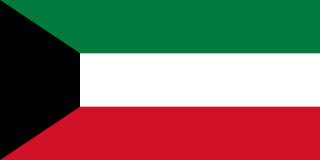
Overview
Kuwait has been ruled by the AL-SABAH dynasty since the 18th century. The threat of Ottoman invasion in 1899 prompted Amir Mubarak AL-SABAH to seek protection from Britain, ceding foreign and defense responsibility to Britain until 1961, when the country attained its independence. Iraq attacked and overran Kuwait in 1990. After several weeks of aerial bombardment, a US-led UN coalition began a ground assault in 1991 that liberated Kuwait in four days. In 1992, the Amir reconstituted the parliament that he had dissolved in 1986. Amid the 2010-11 uprisings and protests across the Arab world, stateless Arabs known as Bidoon staged small protests demanding citizenship, jobs, and other benefits available to Kuwaiti nationals. Other demographic groups, notably Islamists and Kuwaitis from tribal backgrounds, soon joined the growing protest movements, which culminated with the resignation of the prime minister amid allegations of corruption. Demonstrations renewed in 2012 in response to a decree amending the electoral law that lessened the voting power of the tribal blocs. An opposition coalition of Sunni Islamists, tribal populists, and some liberals largely boycotted legislative elections in 2012 and 2013, which ushered in a legislature more amenable to the government's agenda. Faced with the prospect of painful subsidy cuts, oppositionists and independents actively participated in the 2016 election, winning nearly half the seats, but the opposition became increasingly factionalized. Between 2006 and his death in 2020, the Amir dissolved the National Assembly on seven occasions and shuffled the cabinet over a dozen times, usually citing political stagnation and gridlock between the legislature and the government. The current Amir, who assumed his role in 2020, launched a "National Dialogue" in 2021 meant to resolve political gridlock. As part of this initiative, the Amir pardoned several opposition figures who had been living in exile, and they returned to Kuwait. Legislative challenges remain, and the cabinet has been reshuffled six times since 2020.
Geography
- Location
- Middle East, bordering the Persian Gulf, between Iraq and Saudi Arabia
- Total Area
- 17,818 sq km
- Climate
- dry desert; intensely hot summers; short, cool winters
- Terrain
- flat to slightly undulating desert plain
- Natural Resources
- petroleum, fish, shrimp, natural gas
- Coastline
- 499 km
- Land Borders
- 475 km
People & Society
- Population
- 3,172,511 (2025 est.)
- Religions
- Muslim (official) 74.6%, Christian 18.2%, other and unspecified 7.2% (2013 est.)
- Ethnic Groups
- Kuwaiti 30.4%, other Arab 27.4%, Asian 40.3%, African 1%, other 0.9% (includes European, North American, South American, and Australian) (2018 est.)
- Life Expectancy
- 79.6 years (2024 est.)
- Literacy Rate
- 96.5% (2020 est.)
- Urbanization
- 100% of total population (2023)
Government
- Government Type
- constitutional monarchy (emirate)
- Capital
- Kuwait City
- Independence
- 19 June 1961 (from the UK)
- Constitution
- approved and promulgated 11 November 1962; suspended 1976 to 1981 (4 articles); 1986 to 1991; May to July 1999
- Legal System
- mixed system consisting of English common law, French civil law, and Islamic sharia law
- Executive Branch
- Amir MISHAL al-Ahmad al-Jabir al-Sabah (since 16 December 2023)
Economy
- Economic Overview
- small, high-income, oil-based Middle East economy; renewable energy proponent; regional finance and investment leader; maintains oldest sovereign wealth fund; emerging space and tourism industries; mid-way through 25-year development program
- GDP (Official Rate)
- $160.227 billion (2024 est.)
- Major Industries
- petroleum, petrochemicals, cement, shipbuilding and repair, water desalination, food processing, construction materials