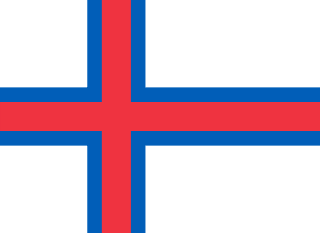
Overview
The Faroe Islands were already populated by about A.D. 500, but whether the original settlers were Celtic or early Norse (or someone else) has yet to be determined. Viking settlers arrived on the islands in the 9th century, and the islands served as an important stepping stone for medieval Viking exploration of the North Atlantic. The islands have been connected politically to Denmark since the 14th century, and today the Faroe Islands are a self-governing dependency of Denmark. The Home Rule Act of 1948 granted a high degree of self-government to the Faroese, who have autonomy over most internal affairs and external trade, while Denmark is responsible for justice, defense, and some foreign affairs. The Faroe Islands are not part of the European Union.
Geography
- Location
- Northern Europe, island group between the Norwegian Sea and the North Atlantic Ocean, about halfway between Iceland and Norway
- Total Area
- 1,393 sq km
- Climate
- mild winters, cool summers; usually overcast; foggy, windy
- Terrain
- rugged, rocky, some low peaks; cliffs along most of coast
- Natural Resources
- fish, whales, hydropower, possible oil and gas
- Coastline
- 1,117 km
- Land Borders
- 0 km
People & Society
- Population
- 52,933 (2024 est.)
- Languages
- Faroese 93.8% (derived from Old Norse), Danish 3.2%, other 3% (2011 est.)
- Religions
- Christian 87% (predominantly Evangelical Lutheran), other 0.9%, none 3.7%, unspecified 8.9% (2011 est.)
- Ethnic Groups
- Faroese 83.8% (Scandinavian and Anglo-Saxon descent), Danish 8.3%, Filipino 1.2%, other Nordic 0.9%, other 4.5% (includes Polish and Romanian) (2024 est.)
- Life Expectancy
- 81.7 years (2024 est.)
- Urbanization
- 43% of total population (2023)
Government
- Government Type
- parliamentary democracy (Faroese Parliament); part of the Kingdom of Denmark
- Capital
- Torshavn
- Independence
- none (self-governing overseas administrative division of Denmark)
- Constitution
- 5 June 1953 (Danish Constitution), 23 March 1948 (Home Rule Act), and 24 June 2005 (Takeover Act) serve as the Faroe Islands' constitutional position in the Unity of the Realm
- Legal System
- the laws of Denmark apply
- Executive Branch
- King FREDERIK X of Denmark (since 14 January 2024), represented by High Commissioner Lene Moyell JOHANSEN, chief administrative officer (since 15 May 2017) (2024)
Economy
- Economic Overview
- high-income Danish territorial economy; party neither to the EU nor the Schengen Area; associate Nordic Council member; very low unemployment; unique foreign ownership allowance in fishing industry; known salmon exporter; growing IT industries
- GDP (Official Rate)
- $3.907 billion (2023 est.)
- Major Industries
- fishing, fish processing, tourism, small ship repair and refurbishment, handicrafts