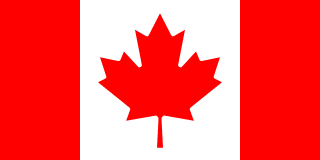
Overview
A land of vast distances and rich natural resources, Canada became a self-governing dominion in 1867, while retaining ties to the British crown. Canada gained legislative independence from Britain in 1931 and formalized its constitutional independence from the UK when it passed the Canada Act in 1982. Economically and technologically, the nation has developed in parallel with the US, its neighbor to the south across the world's longest international border. Canada faces the political challenges of meeting public demands for quality improvements in health care, education, social services, and economic competitiveness, as well as responding to the particular concerns of predominantly francophone Quebec. Canada also aims to develop its diverse energy resources while maintaining its commitment to the environment.
Geography
- Location
- Northern North America, bordering the North Atlantic Ocean on the east, North Pacific Ocean on the west, and the Arctic Ocean on the north, north of the conterminous US
- Total Area
- 9,984,670 sq km
- Climate
- varies from temperate in south to subarctic and arctic in north
- Terrain
- mostly plains with mountains in west, lowlands in southeast
- Natural Resources
- bauxite, iron ore, nickel, zinc, copper, gold, lead, uranium, rare earth elements, molybdenum, potash, diamonds, silver, fish, timber, wildlife, coal, petroleum, natural gas, hydropower
- Coastline
- 202,080 km
- Land Borders
- 8,892 km
People & Society
- Population
- 39,187,155 (2025 est.)
- Religions
- Christian 53.3%, Muslim 4.9%, Hindu 2.3%, Sikh 2.1%, Buddhist 1%, Jewish 0.9%, Traditional (North American Indigenous) 0.2%, other religions and traditional spirituality 0.6%, none 34.6% (2021 est.)
- Ethnic Groups
- Canadian 15.6%, English 14.7%, Scottish 12.1%, French 11%, Irish 12.1%, German 8.1%, Chinese 4.7%, Italian 4.3%, First Nations 1.7%, Indian 3.7%, Ukrainian 3.5%, Metis 1.5% (2021 est.)
- Life Expectancy
- 84.2 years (2024 est.)
- Urbanization
- 81.9% of total population (2023)
Government
- Government Type
- federal parliamentary democracy (Parliament of Canada) under a constitutional monarchy; a Commonwealth realm; federal and state authorities and responsibilities regulated in constitution
- Capital
- Ottawa
- Independence
- 1 July 1867 (union of British North American colonies); 11 December 1931 (recognized by UK per Statute of Westminster)
- Constitution
- consists of unwritten and written acts, customs, judicial decisions, and traditions dating from 1763; the written part of the constitution consists of the Constitution Act of 29 March 1867, which created a federation of four provinces, and the Constitution Act of 17 April 1982
- Legal System
- common law system except in Quebec, where civil law based on the French civil code prevails
- Executive Branch
- King CHARLES III (since 8 September 2022); represented by Governor General Mary SIMON (since 26 July 2021)
Economy
- Economic Overview
- high-income economy and second-largest US trading partner; key timber, oil, and gas industries; trade uncertainties and weak business investments contributing to economic slowdown; high and growing public debt; inflation moderating but remains above target range
- GDP (Official Rate)
- $2.241 trillion (2024 est.)
- Major Industries
- transportation equipment, chemicals, processed and unprocessed minerals, food products, wood and paper products, fish products, petroleum, natural gas
Infrastructure & Communications
- Railways
- 49,422 km (2021) note: 129 km electrified (2021)